
Once a choice for rustic beach cottages, sisal has found its way into some very nice homes doing very interesting things. We thought a list of sisal facts would be useful to our design community.
What is it?
Sisal comes from the long fibers in the leaves of the agave plant. The fiber is extracted from the leaves, dried, and spun into yarn. Native to Mexico, it's currently cultivated all over the Southern Hemisphere. The biggest producer is Brazil. https://en.wikipedia.org/wiki/Sisal
Wear characteristics
Sisal rugs are tough. They can take many years of foot traffic and still look great.
Sisal's tragic flaw is staining. It's natural fibers quickly absorb spills including the pigments of wine and animal urine. These must be treated immediately and aggressively or they will become permanent. This possibility is an important client lifestyle issue to consider. There is a synthetic a work-around. See below.
Mixed with wool
When sisal is mixed with wool, two separate yarns - one sisal and one wool - are woven into the carpet.
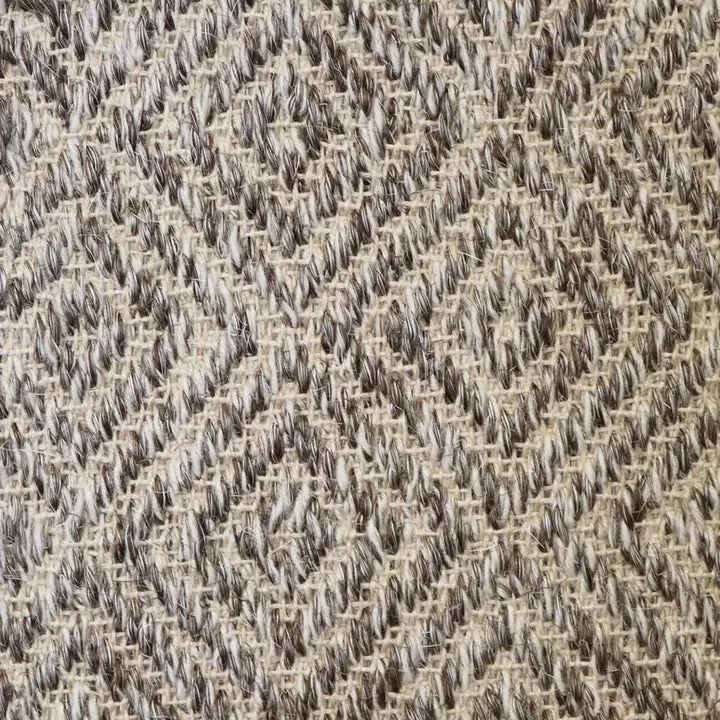
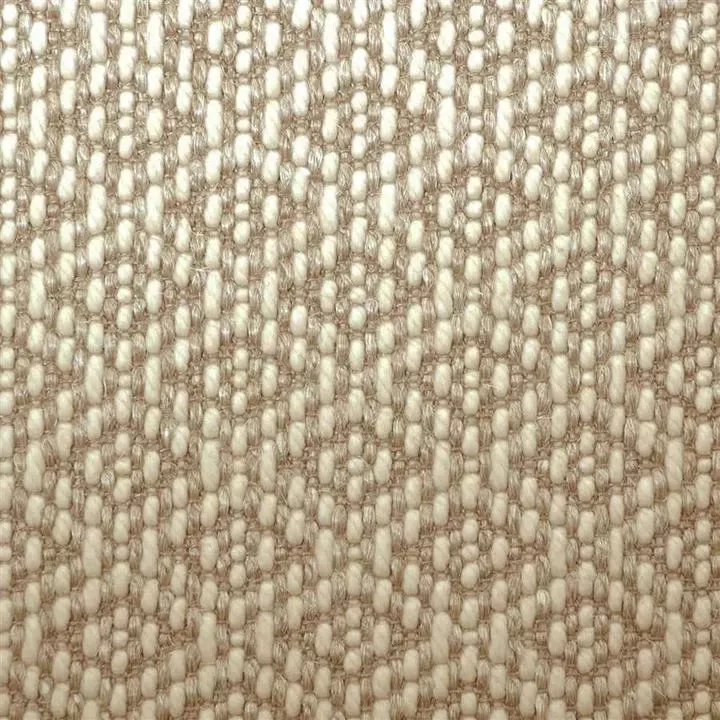
Mixing expands color possibilities, offers a softer feel, and interesting weaving variations. It's worth your time checking out.
Layering
Sisal is very budget friendly. You can cover a huge area for a reasonable amount of money. Then you can add a smaller area rug (or rugs) and save money compared to buying a hand-knotted rug for the whole room.
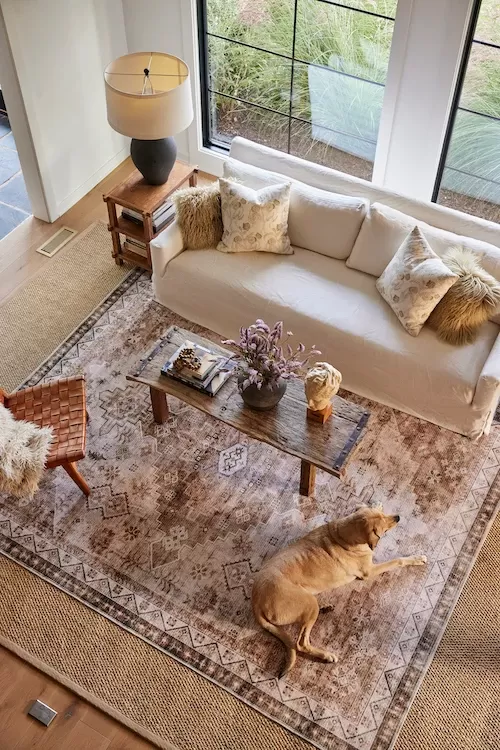


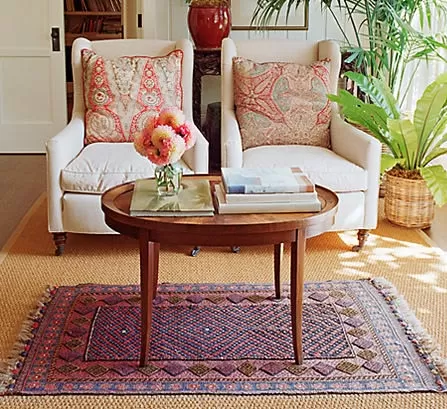
Layering allows you to define more than one area. For example a seating area for chat in one place; a quiet place for reading in another; or a section for a computer; all encompassed by the same large sisal rug.
Plus changing out the smaller top rug seasonally can give the room a quick make-over.
Synthetic sisal
Synthetic sisal has come a long way. It's virtually indistinguishable from natural sisal and is virtually stain proof. Plus it's softer than natural sisal.
Synthetic sisal solves the "tragic flaw" staining problem discussed above.

Take up the rug; hose it off; dry it.
Today's polypropylene in rugs is soft, softer than natural sisal. It has lost the shiny plastic-looking veneer.
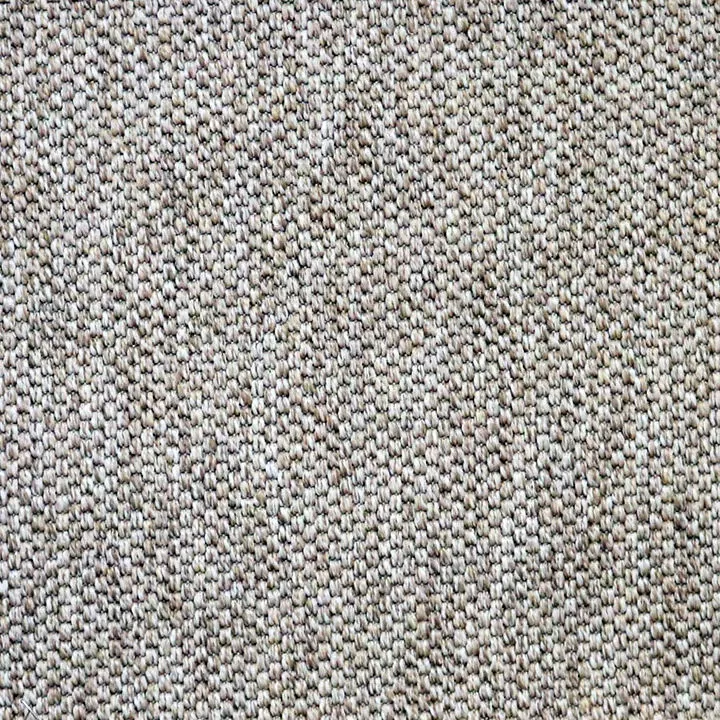
https://fibreworks.com/collections/indoor-outdoor
Synthetic sisal solves the staining problem
Size considerations
Sisal comes in rolls from 13 feet wide to 16 feet. If your space requires a greater width, your next question must be, "Will the weave of this carpet allow it to be seamed?"
Check with us next. If the answer is no, alas, you must continue to shop. If yes, we will give you a cost to get the seam made.
We promise to give it our best.
Other uses
We do a lot of stair runners and consistently replace more conventional carpet runners with natural fiber sisal.
The same goes for hall runners.
A long way from the beach
Sisal is still a great choice for a beach house, but we are installing it in homes far from the beach and far more richly appointed.
We are even seeing it in commercial interiors.
This is a versatile flooring solution and has the ability to change with the times and trends. It deserves a place in your design toolbox.